Oswego, IL real estate
Homes for sale, the monthly market report, selling, and the neighborhoods, all on one page for Oswego. Median value $404K, 49 days on market.
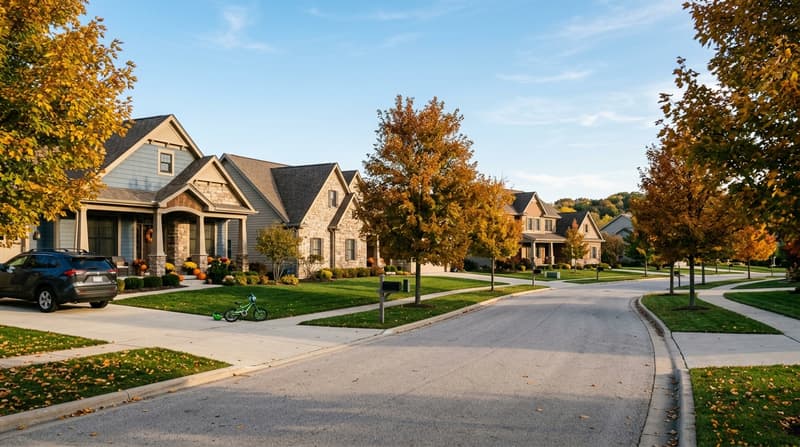
Oswego, IL holds about 12,440 homes, 88% of them owner-occupied, with a median year built of 2002. Oswego presents residential single-family subdivisions and newer developments along the Fox River valley. Buyers weigh quieter outlying streetscapes against longer travel times toward closer-in suburbs. The housing market offers larger lot configurations than older Cook County areas.
Two transactions closed in Oswego; the properties are below.
Source: Redfin (through May 2026) · U.S. Census ACS (2024)

Oswego on record
- Population
- 36,375
- Households
- 12,243
- Median household income
- $123,792
- Median home value
- $344,500
- Median rent
- $1,860
- Owner-occupied
- 87.9%
- Median year built
- 2002
- Average commute
- 31 min
- County
- Kendall County
- Land area
- 16.2 sq mi
Source: U.S. Census Bureau ACS 5-year, 2020–2024 5-year estimate; U.S. Census Bureau TIGER, Vintage 2024. Retrieved September 2026.
Neighborhoods in Oswego
Downtown Oswego
Downtown Oswego borders the eastern banks of the Fox River.
Churchill Club
Churchill Club is a master planned development located in southern Oswego along Wolfs Crossing Road.
Blackberry Crossing
Blackberry Crossing sits on the western side of Oswego near Orchard Road and US Route 34.
Hunt Club
Hunt Club is a residential subdivision located south of US Route 34 along Hunt Club Drive and Wolfs Crossing Road.
Deerpath Creek
Deerpath Creek is a residential subdivision located in eastern Oswego near US Route 30 and Treasure Drive.
Ogden Falls
Ogden Falls is located north of US Route 34 and west of Douglas Road in northern Oswego.
Also in Oswego: Arbor Gate, Deerpath Creek Villa, Emblem Oswego, Fox Chase, Gates Creek, Hudson Pointe, Lakeview Estates, Lakeview Estates West, Morgan Crossing, Piper Glen, Prescott Mill, River Run and Wolfs. These have no page of their own yet; ask about any of them.
The Oswego market right now
The Oswego median sold price stands at $403,500 as of May 2026, +12.1% year over year. The twelve-month peak was $445,000 in August 2025. 460 homes closed over the period, averaging 100.2% of list price most recently, with 49 days on market.
Oswego neighborhoods side by side
| Neighborhood | Housing stock |
|---|---|
| Downtown Oswego | Housing consists of late nineteenth- and early twentieth-century single-family homes in Victorian and Craftsman styles, alongside newer mixed-use buildings with upper-level apartments arranged on a grid street plan. |
| Churchill Club | Built primarily in the mid-2000s, this subdivision features two-story traditional single-family homes and attached townhomes with two-car garages set along curvilinear streets and cul-de-sacs. |
| Blackberry Crossing | Developed in the 2000s, the area contains two-story single-family houses and townhomes ranging from 1,500 to 3,000 square feet, featuring attached garages and quarter-acre lots. |
| Hunt Club | This subdivision offers single-family homes built in the late 1990s and early 2000s, predominantly two-story traditional designs with three-car garages situated on suburban curvilinear streets. |
| Deerpath Creek | Constructed in the early 2000s, the housing stock consists of detached single-family houses between 2,000 and 3,500 square feet with attached two- or three-car garages on winding streets. |
| Ogden Falls | Developed in the mid-2000s, this neighborhood includes both detached single-family homes and multi-family townhomes featuring vinyl and brick exteriors with standard suburban setbacks. |
School districts in Oswego
From public records, with the source for each. District boundaries do not follow city lines; check the address with the district.
Oswego Community Unit School District 308
Grades PK–12 · Unified district · NCES EDGE school district boundaries 2024-2025, September 2026
Yorkville Community Unit School District 115
Grades PK–12 · Unified district · NCES EDGE school district boundaries 2024-2025, September 2026
Districts are listed by name and source only, never by rating: choosing a home by school quality is yours to weigh, and fair-housing law keeps an agent out of steering it.
Two closings in Oswego
Not a feed of everything on the market: these are the Oswego properties I personally represented.
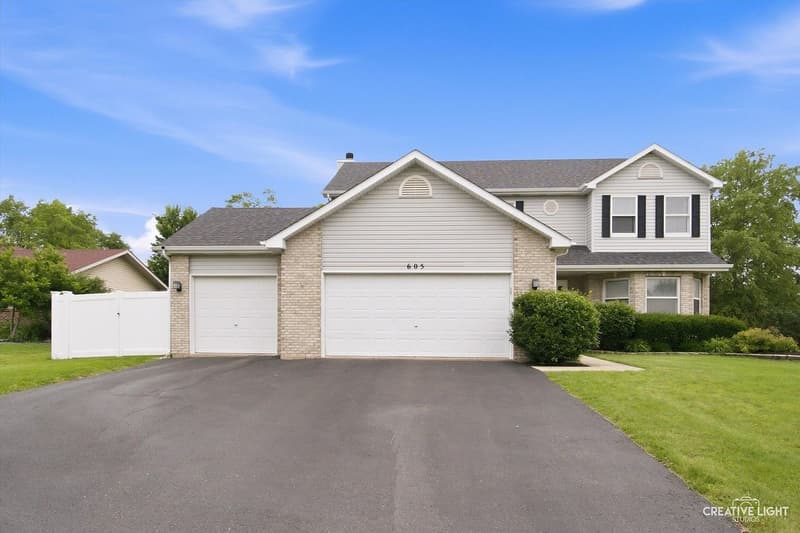 $466,000605 Woodchuck Trl, OswegoClosed August 24, 2026
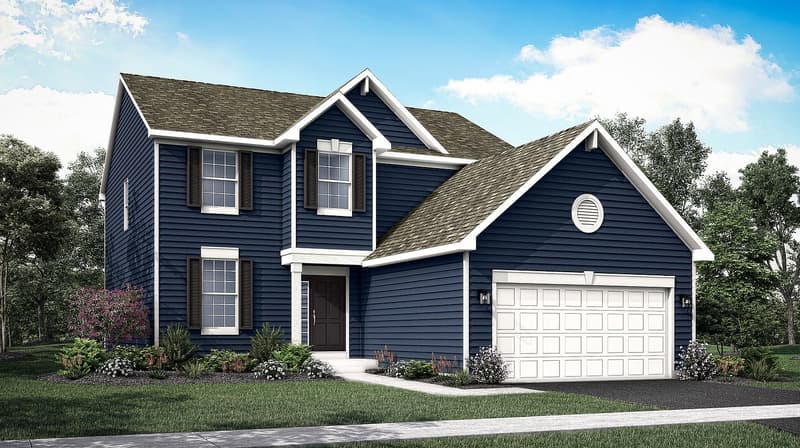 Represented the buyer$520,000707 Erwin St, OswegoClosed August 21, 2026

The properties shown here are transactions I personally represented, compiled from my public agent record. This site is not an MLS IDX feed and does not show the full active market; ask me and I will pull everything that fits.
Living in Oswego
About Oswego
Oswego is a municipality located in Kendall County with a recorded population of 36,375 residents. The area encompasses 19 distinct neighborhoods and includes historic destinations such as the Little White School Museum. Its geographic position connects drivers to major commercial hubs and transport centers across the Chicago metropolitan area.
Downtown Naperville sits 12.9 miles away, which translates to a 32-minute drive for commuters. A drive to O'Hare International Airport spans 43.2 miles and takes 70 minutes. Traveling to the Loop requires a drive of 46.5 miles, taking 89 minutes by car. The residential options across 19 neighborhoods suit buyers who maintain daily commutes to regional employment centers. You can examine home prices, housing trends, and inventory figures in the market section below.
Is Oswego a good place to live?
Oswego spans 16.2 square miles of land area within Kendall County. The village has a population of 36,375 individuals living across 12,243 households. When you evaluate the community, its housing stock reflects consistent growth over recent decades. Much of the residential inventory is modern, reflected by an overall median year built of 2002.
Homeownership represents the predominant residential arrangement for households living across the municipality. Owner-occupied properties account for 87.9 percent of all occupied housing units in the community. For buyers reviewing local home listings, the median home value currently stands at $344,500. Renting is also available in the village, where the median monthly rent reaches $1,860.
Local economic indicators provide helpful context for understanding property costs across Oswego. The median household income for village residents is $123,792, reflecting the local earnings profile. Travel to employment centers is another practical factor to consider when assessing the village. Workers living in the community record an average commute time of 31 minutes. These measurements give you a clear overview of the area, its housing, and its transportation.
Oswego at a glance
Oswego covers 16.2 square miles in Kendall County and includes 12,243 households. With an 87.9 percent owner-occupied share, homes carry a median value of $344,500. The table below outlines key baseline figures for housing, income, and travel, giving you an overview of local benchmarks before you evaluate specific neighborhoods.
Homes and neighborhoods in Oswego
Downtown Oswego features a street grid with late nineteenth- and early twentieth-century single-family homes in Victorian and Craftsman styles. You will also find newer mixed-use buildings with upper-level apartments in this central area. Residential construction from 2000 to 2009 makes up 45.1 percent of local homes. Properties built between 1970 and 1999 represent 33.3 percent of the housing stock, and homes built before 1940 account for 3.2 percent.
Subdivisions developed around the turn of the century provide large detached properties. Hunt Club offers single-family homes built in the late 1990s and early 2000s along curvilinear suburban streets. These residences display predominantly two-story traditional designs with three-car garages. Constructed in the early 2000s, Deerpath Creek provides detached houses situated along winding streets. Houses in Deerpath Creek measure between 2,000 and 3,500 square feet, and they supply attached two- or three-car garages.
Other planned communities offer a mix of detached residences and attached units. Churchill Club was built primarily in the mid-2000s on curvilinear streets and cul-de-sacs. You will observe two-story traditional single-family houses alongside attached townhomes with two-car garages. Developed in the 2000s, Blackberry Crossing offers two-story single-family houses and townhomes on quarter-acre lots. Living spaces in Blackberry Crossing range from 1,500 to 3,000 square feet with attached garages. Ogden Falls dates to the mid-2000s with detached single-family homes, multi-family townhomes, and standard suburban setbacks. Exterior materials across Ogden Falls include vinyl and brick.
The Oswego housing market
The 12-month market data shows rising prices and faster transactions across Oswego. In September 2025, the median sold price stood at $438,500, with homes spending an average of 28 days on the market. By August 2026, the median sold price reached $452,000, and properties sold in an average of 25 days. Sellers received 97.7% of their original list price in September 2025, compared to 98.9% in August 2026.
Sales activity remained steady throughout the recorded period. Buyers closed on 10 homes in September 2025, while August 2026 recorded 12 closed sales. Inventory additions remained consistent, moving from 16 new listings in September 2025 to 15 new listings in August 2026. You can review the full market report to track ongoing trends, property inventory, and local price changes over time.
Housing stock
When you explore the housing stock, single-family detached homes make up 71.6% of all residences in Oswego. Single-family attached properties represent 18.4% of the options, while multi-unit structures account for 10.0%. Manufactured homes and other alternative property categories represent 0.0% of the total.
A substantial portion of the local stock consists of recent builds, with homes constructed between 2000 and 2009 making up 45.1% of residences. Properties built from 1970 to 1999 represent 33.3%, and those built in 2010 or later add 13.6%. Earlier eras represent smaller shares, as homes built from 1940 to 1969 constitute 4.7%, and pre-1940 structures make up 3.2%.
Schools serving Oswego
Two unified public school districts serve the residential properties in Oswego. Oswego Community Unit School District 308 provides education from prekindergarten through twelfth grade across the majority of the community. Portions of Oswego fall within Yorkville Community Unit School District 115, which also covers prekindergarten through twelfth grade. Because school boundaries vary, your specific home address determines which of these two unified districts serves your location.
Getting around
Driving times from Oswego depend on the destination and distance of your travel. Reaching Downtown Naperville takes 32 minutes by car, covering a distance of 12.9 miles. If you travel to The Loop, the drive spans 46.5 miles and takes 89 minutes. A drive to O'Hare International Airport covers 43.2 miles and takes 70 minutes.
Public transportation provides an additional option for your daily commute. You can park your car and connect with transit services at the Oswego Park-N-Ride. This transit stop allows you to travel without driving the entire distance.
Things to do in Oswego
Oswego contains several public parks and trail systems that support outdoor recreation throughout the year. You can visit Hudson Crossing Park to spend time outdoors and explore its recreational grounds. Prairie Point Community Park and Violet Patch Park provide additional parkland for outdoor play, field sports, and relaxation. The Fox River Trail accommodates walkers, runners, and cyclists along an established pathway. You can also access the Waubonsie Trail to reach connected routes across different parts of the community.
Retail centers and dining areas in Oswego give you multiple options for daily errands and dining out. Oswego Downtown serves as the primary dining district, offering a central area with several restaurants. You can visit the downtown core to find varied meal options and storefront dining establishments. For general retail needs, Kendall Marketplace functions as a commercial shopping destination with multiple stores. This shopping area provides anchor retailers and everyday conveniences in one accessible location.
Key landmarks and community venues provide further opportunities for leisure and study in Oswego. You can play rounds of golf at Fox Bend Golf Course, an established course located within the village. The Oswego Public Library functions as an essential civic resource for reading materials, study areas, and research. These destinations give you convenient places for recreation, reading, and personal projects.
Pros and cons of living in Oswego
Living in Oswego presents several practical advantages if you are evaluating the local housing landscape. The median year built for homes is 2002, and owner-occupied properties account for 87.9% of residences. The market moves at a steady pace, with homes in August 2026 averaging 25 days on the market. Buyers in that period paid 98.9% of list price, reflecting a median sold price of $452,000. For regional trips, you can drive 12.9 miles to Downtown Naperville in 32 minutes.
Certain commuting demands and inventory constraints represent important trade-offs you must weigh carefully. Reaching major employment centers requires a significant investment of time on the road. A drive of 46.5 miles to The Loop takes 89 minutes. A trip to O'Hare International Airport spans 43.2 miles and requires 70 minutes. Overall, local residents experience an average commute time of 31 minutes. Local inventory remains tight, as August 2026 saw 15 new listings and 12 closed sales.
Sources: U.S. Census Bureau ACS 5-year; U.S. Census Bureau TIGER.
Tell me what you're trying to do
Buying, selling, or still deciding, a short note is enough to start. You'll get a real reply from me, not an auto-responder.
- A person reads every message
- No drip campaign, no lead-sharing with other agents
- Happy to answer one question and leave it there
Talk to someone who works Oswego
I have 2 years in these neighborhoods and answer personally.